
A hard fall, road accident, or high-impact sports injury can cause more than just bruises; it can result in a serious pelvic injury. Because the pelvis supports the body’s weight, protects vital organs, and contains major blood vessels and nerves, an injury to this area can become a medical emergency if left untreated.
While some pelvic fractures are stable and heal with conservative treatment, others can lead to severe internal bleeding, nerve damage, and long-term mobility problems. Recognising the warning signs early and seeking prompt medical attention can make a significant difference in recovery and help prevent potentially life-threatening complications.
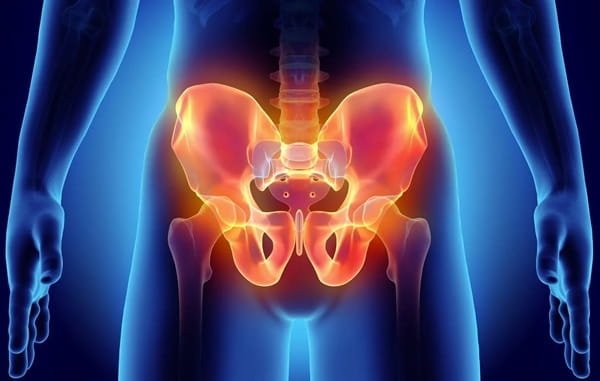
What is a Pelvic Injury?
The pelvis is a ring-shaped bony structure located at the base of the spine. It connects the upper body to the lower limbs and provides stability during standing, walking, and other daily activities. The pelvis also protects important organs, including the bladder, intestines, and reproductive organs.
Pelvic fractures most commonly result from high-energy trauma such as road traffic accidents or falls from significant heights. However, older adults with osteoporosis may sustain pelvic fractures even after a minor fall because their bones are more fragile.
Patients who require Pelvic Fracture Surgery in Bangalore should consult experienced orthopaedic and trauma specialists who can accurately assess the severity of the injury and recommend the most appropriate treatment.
Common Causes of Serious Pelvic Injuries
Serious pelvic injuries are most commonly caused by:
- Road traffic accidents
- Falls from significant heights
- Sports-related injuries
- Crush injuries
- Workplace accidents
- Osteoporosis-related fractures in older adults
The severity of the injury depends on the force of impact, the stability of the pelvic ring, and the number of bones affected.
Signs and symptoms you should never ignore
Severe Pain Around the Pelvis or Hips
Persistent or intense pain around the hips, groin, buttocks, or lower back is one of the most common signs of a pelvic injury. The pain often worsens with movement or when attempting to stand or bear weight.
Difficulty Standing or Walking
A fractured pelvis may make it extremely difficult or even impossible to stand, walk, or move the legs comfortably. Some individuals may experience instability or feel unable to support their body weight.
Swelling and Bruising
Swelling or visible bruising around the pelvis, hips, lower abdomen, or upper thighs may indicate significant soft tissue injury or an underlying fracture. These symptoms should never be ignored, particularly after a fall or high-impact accident.
Pain During Leg Movement
Pain that worsens with lifting, rotation, or leg movement may indicate injury to the pelvic bones, surrounding muscles, ligaments, or joints. Medical evaluation is essential to determine the extent of the damage.
Numbness or Tingling
If the injury affects nearby nerves, patients may experience numbness, tingling, or weakness in one or both legs. Prompt assessment is important to reduce the risk of long-term neurological complications.
Bleeding or Difficulty Urinating
Because the pelvis protects the bladder and other pelvic organs, severe fractures can sometimes result in internal injuries. Blood in the urine, difficulty passing urine, or severe lower abdominal pain may indicate damage to internal organs and require immediate medical attention.
Dizziness or Signs of Shock
Serious pelvic fractures can cause significant internal bleeding. Symptoms such as dizziness, a rapid heartbeat, pale skin, confusion, or fainting should always be treated as medical emergencies.
How are Pelvic Injuries Diagnosed?
Doctors begin with a detailed physical examination to assess pain, pelvic stability, and range of motion. Imaging investigations help determine the severity of the injury and may include:
- X-rays
- CT scans
- MRI scans (if soft tissue, ligament, or nerve injuries are suspected)
In severe trauma cases, additional investigations may be performed to identify injuries involving nearby organs, blood vessels, or nerves.
Treatment Options
Treatment depends on the type, location, and severity of the pelvic fracture.
Minor pelvic fractures are often managed conservatively with:
- Pain medication
- Rest and activity modification
- Walking aids
- Physiotherapy
Patients requiring Pelvic Fracture Surgery in Bangalore are evaluated for fracture stability, associated injuries, and overall medical condition before surgery is planned.
More complex or unstable fractures may require:
- Internal fixation using plates and screws
- External fixation devices
- Rehabilitation programmes
- Long-term physiotherapy to restore strength, mobility, and function
Early diagnosis and timely treatment help minimise complications, improve recovery, and restore mobility.
When should you seek medical attention?
Seek emergency medical care immediately if you experience:
- Severe pelvic pain after a fall or accident
- Inability to stand or walk
- Significant swelling or bruising around the pelvis
- Numbness or weakness in the legs
- Blood in the urine
- Loss of bladder control
- Symptoms of shock, such as dizziness, confusion, or fainting
Prompt diagnosis and treatment are essential to prevent complications such as excessive blood loss, nerve damage, infection, or long-term mobility issues.
Choosing Expert Orthopaedic Care
Managing pelvic fractures often requires a multidisciplinary team of orthopaedic surgeons, trauma specialists, radiologists, anaesthetists, rehabilitation physicians, and physiotherapists.
If you are looking for a trusted Orthopaedic Hospital in Bangalore, SPARSH Hospital offers advanced trauma care, modern surgical techniques, comprehensive rehabilitation programmes, and personalised treatment plans for patients with pelvic fractures and other complex orthopaedic injuries.
Conclusion
Pelvic injuries should never be underestimated, particularly after a high-impact accident or fall. Severe pain, difficulty walking, swelling, numbness, or signs of internal bleeding require immediate medical attention. Early diagnosis, timely treatment, and appropriate rehabilitation can significantly improve recovery, reduce complications, and help patients regain mobility and independence.
Seeking expert care from experienced orthopaedic specialists ensures the best possible outcome. Whether treatment involves conservative management or Pelvic Fracture Surgery in Bangalore, receiving prompt and appropriate medical care can significantly improve the chances of a safe recovery and a return to daily activities.