
Mahindra’s Super Seeder supports sustainable farming by combining soil preparation, seed sowing, fertiliser placement, and pressing into a single field operation. It is also designed to sow through paddy straw without getting clogged, making it relevant where crop residue remains on the field.
For farmers trying to manage residue while preparing for the next crop, this approach can make fieldwork more organised. Rather than treating residue as a separate problem, the implement allows sowing to continue in its presence.
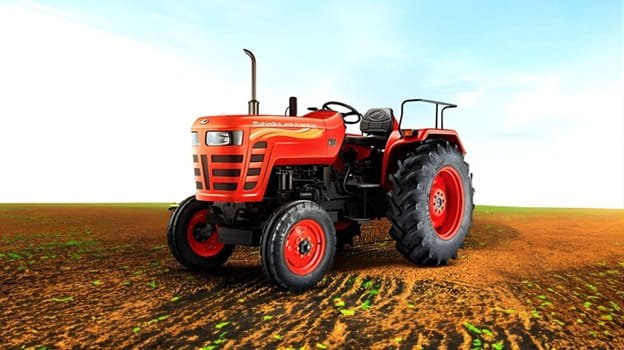
What the Super Seeder Does
The super seeder is a tractor-mounted implement designed to carry out several connected tasks during sowing. Its working arrangement brings soil preparation and seed placement together rather than keeping them as completely separate stages.
Its main functions include:
- Preparing the soil for sowing
- Placing seed along with fertiliser
- Working in fields where paddy straw is present
- Using press wheels after seed placement
This combination is what makes the super seeder relevant to sustainable field management. The focus is not simply on completing sowing but on doing so while handling residue and reducing the need to clear the field completely before planting.
Supports Crop Residue Management
Crop residue can affect how smoothly the next sowing operation takes place. The super seeder is designed to sow without becoming blocked by paddy straw, allowing farmers to work in fields where residue is still present.
This is an important part of its sustainability role. When sowing can continue without first removing all remaining straw, residue management becomes part of the field operation itself. The farmer can prepare the soil and establish the next crop without making complete residue clearance a separate requirement.
The approach also keeps the focus on practical field conditions. Paddy straw can interfere with sowing equipment if it accumulates around working parts. An implement designed specifically to operate in these conditions can help make the transition from one crop cycle to the next more manageable.
Brings Several Operations Together
Sustainable farming is also about using field operations thoughtfully. Carrying out connected tasks together can reduce unnecessary repetition and simplify the sequence of work before sowing.
The super seeder combines soil preparation, sowing with fertiliser and press-wheel operation. These are closely related stages in establishing a crop. Bringing them into one implement means the farmer does not need to treat every stage as a completely separate operation.
Among the farm equipment used for crop establishment, this combined approach is particularly relevant when the field already contains paddy residue. It connects residue handling with the actual sowing process rather than adding another unrelated field activity.
The result is a more direct route from the harvested field to the next sowing operation. This keeps its sustainability role closely connected to practical crop establishment on farms.
Makes Direct Sowing More Practical
Direct sowing is central to how the super seeder works. The implement is intended to place seed while working through existing paddy straw, rather than depending on a fully cleared field before sowing begins.
This matters because farmers often link field preparation closely with residue conditions. If the implement can prepare the soil and place seed while residue remains, the farmer has greater flexibility in organising the next crop operation.
The press-wheel arrangement forms another part of this process. Once seed and fertiliser have been placed, the press wheel follows as part of the same working setup. This keeps the main sowing stages connected.
The implement directly sows the seed, which can save time and costs while also being environmentally friendly. The practical value lies in combining these objectives within the same field activity rather than treating sustainability as a separate task.
Reduces the Need for Separate Field Steps
A field may otherwise require different implements or passes for preparation, sowing, and the work that follows seed placement. Combining these stages can make the workflow simpler.
The super seeder is designed for this combined operation. Soil preparation takes place together with seed and fertiliser placement, followed by pressing. For the farmer, the machine creates a more continuous sowing process.
From a sustainability perspective, the issue matters because efficient use of machinery is not just about speed. It is also about avoiding field activity that does not add value to the crop-establishment process.
The implement does not remove the need for proper field planning or suitable tractor-implement matching. What it does is bring several necessary sowing functions into one working system, helping farmers to organise operations with fewer separate stages.
Fits a Residue-Conscious Farming Approach
Sustainable farming does not depend on one machine or one method. It comes from decisions about soil preparation, residue handling, crop establishment, and the way machinery is used across the season.
The super seeder fits into this approach because its design directly addresses the presence of paddy straw during sowing. Instead of requiring residue to disappear before the next operation can begin, it is made to work where straw remains in the field.
That makes the implement relevant to farmers who want residue management and sowing to work together. It also creates a clearer link between post-harvest field conditions and preparation for the next crop.
The sustainability value therefore comes from how different tasks are connected: handling straw, preparing soil, placing seed and fertiliser, and pressing the sown area as part of one operation.
Why the Implement Matters for Farm Planning
Choosing an implement is not only about what job it can perform. Farmers also need to consider how that implement fits into the sequence of operations already followed on the farm.
A super seeder is most relevant where paddy residue is part of that sequence, and the next crop has to be sown without making complete straw removal a prerequisite. Its combined working arrangement can help keep the transition between crops more direct.
Before use, tractor compatibility, field condition, and the intended sowing requirement should be considered. Proper matching matters because an implement needs to suit both the tractor and the work expected from it.
Conclusion
Mahindra’s Super Seeder supports sustainable farming by linking residue management with crop establishment. Its ability to prepare soil, place seed with fertiliser and use a press wheel while working in paddy straw gives farmers a way to handle several connected sowing tasks together.
Its role is especially relevant where farmers want to avoid treating crop residue and sowing as two completely separate operations. By allowing direct sowing in residue-covered conditions, the implement supports a more integrated approach to field preparation and the start of the next crop cycle.