
Yes, aluminium window fabrication is a growing industry in India, supported by expanding residential construction, commercial real estate, urbanisation, infrastructure development, and increasing demand for modern building materials. The industry is gradually moving beyond basic local fabrication toward engineered aluminium window systems that offer improved durability, aesthetics, energy performance, and installation quality.
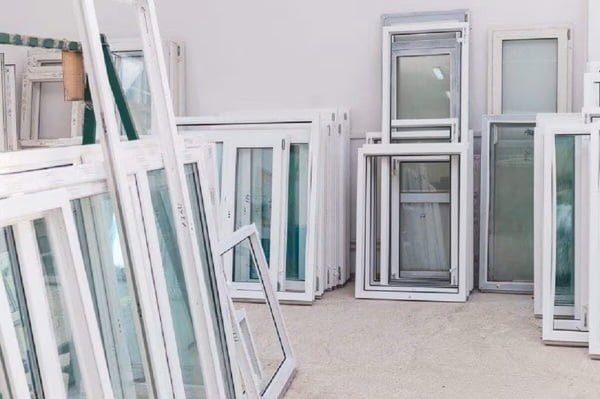
India’s construction sector continues to create strong demand for doors and windows. The growing number of apartments, independent homes, offices, hotels, hospitals, shopping complexes, and industrial buildings is creating opportunities for aluminium fabricators and related businesses.
Growing Construction Activity Is Driving Demand
One of the biggest factors behind the growth of aluminium window fabrication is India’s expanding construction sector. Every new residential or commercial building requires windows and doors, creating a consistent market for fenestration products.
Urbanisation is particularly important. As cities expand and new residential and commercial developments emerge around major urban centres, demand for modern windows continues to increase.
Market research indicates that India’s aluminium door and window market is expected to maintain steady growth over the coming years. Although estimates differ depending on the market segment and methodology, industry forecasts generally point toward continued expansion.
Government investment in housing, infrastructure, urban development, and commercial projects is also contributing to the long-term demand for aluminium products.
Why Aluminium Is Becoming Popular for Windows
Aluminium offers several properties that make it suitable for modern window applications. It is lightweight, strong, durable, corrosion-resistant, and relatively easy to maintain.
It can also be fabricated into different shapes and configurations, allowing manufacturers to produce windows according to specific architectural requirements.
Some important advantages include:
- Slim and attractive frame profiles
- Large glass areas
- Low maintenance requirements
- Long service life
- Resistance to moisture and weather exposure
- Flexible design options
- Compatibility with different glazing systems
- Availability in multiple finishes and colours
Modern architecture increasingly favours large glass surfaces and minimalist designs. Aluminium’s strength allows relatively slim frames to support large glass panels, making it suitable for contemporary homes, offices, hotels, and high-rise buildings.
Residential Construction Is a Major Opportunity
The residential sector represents one of the most important opportunities for aluminium window fabricators in India.
Apartments, villas, independent houses, and premium residential projects increasingly use aluminium sliding windows, casement windows, balcony doors, French windows, and large-format glazing systems.
Consumer expectations are also changing. Homeowners are becoming more interested in appearance, durability, ventilation, security, noise reduction, and maintenance rather than choosing windows based solely on the lowest price.
This change creates opportunities for fabricators who can provide customised and professionally finished products.
A fabricator who offers accurate measurement, quality profiles, reliable hardware, proper glass selection, and professional installation can differentiate the business from low-cost competitors.
Commercial and High-Rise Projects Are Expanding
Commercial construction is another important growth area for aluminium fabrication.
Offices, hotels, hospitals, shopping centres, educational institutions, and industrial buildings can require hundreds or even thousands of windows and doors. These projects often demand consistent dimensions, finishes, quality, and installation.
High-rise construction creates additional opportunities for specialised aluminium systems. Large windows, curtain walls, façades, balcony doors, and other architectural applications can require technically advanced fabrication and installation.
As India’s commercial and residential buildings become more sophisticated, demand is likely to increase for fabricators capable of handling larger and more technically demanding projects.
The Industry Is Moving Toward System-Based Fabrication
One of the most significant developments in the aluminium window industry is the shift from basic fabrication toward system-based aluminium windows.
Traditional fabrication generally involves purchasing aluminium profiles, cutting them according to measurements, assembling the frames, installing glass and hardware, and fitting the completed product at the site.
System-based windows are developed around specific profiles, hardware, seals, glazing options, and manufacturing methods. This approach can provide greater consistency and predictable performance.
This transition creates opportunities for professional fabricators that can offer:
- Accurate manufacturing
- Better finishing
- Tested window systems
- Professional installation
- Warranty support
- Customised designs
- Consistent product quality
As customers become more quality-conscious, businesses that focus on reliability rather than simply competing on price may have an advantage.
Opportunities for Small and Medium Fabricators
The industry’s growth is not limited to large manufacturers. Small and medium-sized aluminium fabricators can also benefit from increasing demand.
Local fabricators have an important advantage because they can provide customised solutions and installation services to homeowners, contractors, architects, builders, and renovation customers.
A fabrication business can generate revenue through several stages of a project, including:
- Site measurement
- Design consultation
- Profile selection
- Glass selection
- Hardware selection
- Fabrication
- Transportation
- Installation
- Repair and maintenance
This allows smaller businesses to build relationships with customers and contractors while serving local markets.
However, competition can be intense. Businesses that rely entirely on low pricing may struggle with rising material, labour, and operating costs. Investing in skilled workers, better machinery, accurate measurements, and quality materials can help improve profitability and reputation.
Technology Is Changing Aluminium Fabrication
Technology is also transforming aluminium window fabrication in India.
Modern machinery can improve cutting, drilling, machining, and assembly accuracy. Computer-aided design can help fabricators prepare precise drawings before production, reducing errors and material wastage.
Developments in window hardware and glazing are also expanding the range of products available. Better locking mechanisms, improved sealing systems, acoustic glazing, smart hardware, and advanced aluminium profiles allow fabricators to offer higher-value solutions.
Consequently, the modern aluminium fabricator needs more than basic cutting and assembly skills. Understanding measurements, design, glazing, hardware, installation, and product performance is becoming increasingly important.
Challenges Facing the Industry
Despite its growth potential, aluminium window fabrication faces several challenges.
The sector remains highly competitive and fragmented, particularly at the local level. Material prices can fluctuate, affecting project costs and profit margins. Skilled labour is another concern because accurate fabrication and installation require technical knowledge and practical experience.
Quality inconsistency can also affect customer satisfaction. Incorrect measurements, poor fabrication, low-quality hardware, unsuitable glass, or improper installation can result in leakage, rattling, difficult operation, and premature product failure.
For this reason, professionalisation is likely to become increasingly important.
Fabricators that maintain quality standards, train employees, use suitable equipment, and provide reliable after-sales service can build stronger customer relationships.
What Is the Future of Aluminium Window Fabrication in India?
The future of aluminium window fabrication in India appears positive. Continued construction activity, urbanisation, changing architectural preferences, and demand for durable building materials are expected to support the sector.
The strongest opportunities are likely to come from premium residential projects, high-rise buildings, commercial construction, renovation, large-format glazing, and engineered aluminium window systems.
The industry is also likely to become more organised. Customers increasingly want complete solutions instead of purchasing profiles, glass, and hardware separately. This creates opportunities for fabricators who can provide measurement, design, manufacturing, installation, and after-sales support under one service.
Businesses that adopt modern fabrication techniques and focus on quality can therefore position themselves for long-term growth.
Conclusion
Aluminium window fabrication is a growing industry in India, driven by construction growth, urbanisation, modern architectural trends, and increasing demand for durable and attractive fenestration solutions.
The opportunity, however, is not simply about producing more windows. The industry is increasingly rewarding businesses that can deliver accurate fabrication, quality materials, modern designs, professional installation, and dependable service.
For small fabricators as well as larger businesses, investing in technology, skilled labour, quality control, and customer service can create a strong competitive advantage. As India’s construction industry continues to develop, aluminium window fabrication is likely to remain an important and expanding segment of the building-materials market.