
Aluminium windows are popular because they are durable, lightweight, corrosion-resistant, and relatively easy to maintain. Unlike timber windows, they do not rot or require regular painting. However, their surface finish can deteriorate over time because of sunlight, rain, pollution, moisture, and physical damage. Aluminium windows generally need repainting or refinishing when their original coating becomes significantly faded, scratched, peeling, chalky, or damaged.
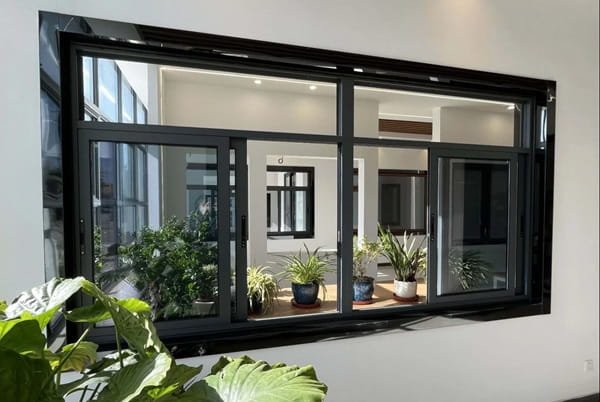
Knowing when to refinish aluminium windows can help property owners maintain their appearance, protect the frames, and extend their service life without replacing the entire window system.
Understanding Aluminium Window Finishes
Aluminium window frames are normally protected with a factory-applied finish, commonly powder coating or anodizing. These finishes provide colour and help protect the aluminium from environmental exposure.
Powder coating creates a durable layer over the aluminium, while anodizing produces a protective oxide layer on the metal itself. Both can provide long-lasting performance when properly manufactured and maintained.
However, the lifespan of a finish depends on several factors, including the quality of the original coating, climate, exposure to sunlight, pollution, humidity, and the location of the building. Windows facing strong sunlight or harsh weather may show signs of ageing sooner than those in sheltered locations.
Signs That Aluminium Windows Need Refinishing
There is no single age at which every aluminium window needs repainting. Instead, property owners should look at the condition of the existing finish.
- Significant Fading
Fading is one of the most noticeable signs of ageing. Continuous exposure to ultraviolet radiation can gradually reduce the intensity of some colours.
Minor fading does not necessarily mean that repainting is required. If the coating remains intact and provides adequate protection, the window can often continue to perform normally.
However, severe or uneven fading can affect the appearance of a building. Refinishing may be worthwhile when maintaining a consistent exterior appearance is important, particularly in commercial properties.
- Peeling or Flaking
Peeling, flaking, or blistering paint is a stronger indication that refinishing may be necessary. Once the coating starts separating from the aluminium, moisture and contaminants can reach the surface beneath it.
Simply painting over loose coating is unlikely to provide a long-lasting solution. The damaged finish should first be removed or properly prepared before a new coating is applied.
If peeling affects large areas of the frame, professional refinishing is generally a better option than repeated touch-ups.
- Scratches and Physical Damage
Aluminium frames can become scratched during installation, renovation, cleaning, or everyday use. Small surface scratches may be repaired with suitable touch-up products.
Deep scratches can expose the aluminium underneath and may eventually contribute to staining or surface deterioration.
If a window has numerous scratches or extensive surface damage, refinishing the entire frame can provide a more uniform and attractive result.
- Chalking and Powdery Surfaces
Some ageing coatings develop a chalky or powdery surface after prolonged exposure to sunlight and weather.
A small amount of surface chalking may be manageable through appropriate cleaning and maintenance. Extensive chalking, however, can indicate that the coating has deteriorated significantly.
In such situations, a professional can determine whether cleaning is sufficient or whether the frame should be refinished.
- Oxidation or Corrosion
Aluminium naturally forms a protective oxide layer, but harsh environmental conditions can still cause surface deterioration.
Windows in coastal areas may be exposed to salt-laden air, while industrial and heavily polluted environments can expose aluminium to contaminants that accelerate surface degradation.
White deposits, staining, pitting, or unusual discolouration should be inspected carefully. If the underlying aluminium is still structurally sound, cleaning and refinishing may restore its appearance. Severe corrosion, however, may require more extensive repair or replacement.
How Often Should Aluminium Windows Be Repainted?
There is no universal repainting schedule for aluminium windows. High-quality aluminium windows can remain in good condition for many years without repainting when they are properly maintained.
Instead of repainting according to a fixed timetable, property owners should inspect the condition of the finish regularly.
The environment plays an important role. Windows exposed to intense sunlight, coastal salt, heavy rain, industrial pollution, or extreme temperature changes may require attention sooner than windows in mild or sheltered conditions.
The quality of the original finish also matters. A high-quality factory-applied coating may last considerably longer than an inferior or poorly applied finish.
Repainting vs. Refinishing
Repainting and refinishing are related but not always identical processes.
Repainting generally means applying a new paint or coating to a prepared surface. Refinishing can involve a more complete restoration process, including cleaning, removing damaged coating, preparing the aluminium, repairing minor surface defects, applying primer where necessary, and adding a new finish.
For slightly faded windows, repainting may be sufficient. For heavily damaged or deteriorated frames, proper refinishing is usually more appropriate.
The existing coating should also be identified before selecting a new product because not every paint or coating system is suitable for aluminium.
Why Surface Preparation Matters
Proper preparation is essential for achieving a durable finish. Dirt, grease, oxidation, dust, and loose coating can prevent new paint from adhering correctly.
Depending on the condition of the frame, preparation may involve thorough cleaning, removal of loose material, light abrasion, treatment of damaged areas, and application of a suitable primer.
Painting directly over a dirty, glossy, or deteriorated surface can result in poor adhesion, peeling, and premature coating failure.
For this reason, large or complex refinishing projects are often best handled by experienced professionals.
When Replacement May Be Better
Refinishing is not always the right solution. If an aluminium frame is badly bent, structurally damaged, severely corroded, or no longer operates correctly, replacement may be more practical.
For example, repainting cannot correct a seriously distorted frame or repair major mechanical problems. Similarly, if the window has failed seals, damaged hardware, or significant structural deterioration, the complete system may need attention.
A professional inspection can help determine whether the problem is cosmetic or structural.
How to Extend the Life of Aluminium Windows
Regular maintenance can delay the need for repainting or refinishing.
Frames should be cleaned periodically using appropriate mild cleaning solutions. Abrasive materials and harsh chemicals should generally be avoided because they can damage protective finishes.
Drainage channels should also be kept clear so that water does not accumulate around the frame.
Property owners should inspect windows for scratches, peeling, stains, corrosion, and damaged seals. Addressing minor problems early can prevent them from becoming more expensive repairs.
Professional Refinishing for Commercial Buildings
Commercial and high-rise buildings often require additional consideration because exterior windows may be difficult to access safely. Refinishing work at height may require specialist equipment, trained personnel, and appropriate safety procedures.
Professionals can also assess the existing coating, recommend compatible materials, and ensure that the finished surface is applied correctly.
This can be particularly important when a large number of windows need to be refinished and a consistent appearance is required across the building.
Conclusion
Aluminium windows are designed to provide long-lasting performance with relatively little maintenance, but their protective finishes can eventually show signs of ageing. Fading, peeling, chalking, deep scratches, oxidation, and significant surface deterioration are common indicators that repainting or refinishing may be necessary.
There is no fixed period after which every aluminium window must be repainted. The decision should instead be based on the condition of the coating, environmental exposure, and the overall condition of the window.
Regular cleaning and inspections can extend the life of the original finish. When deterioration becomes noticeable, proper surface preparation and the correct coating system are essential for a successful refurbishment.
In many cases, refinishing can restore the appearance of ageing aluminium windows without the expense and disruption of complete replacement. With appropriate maintenance and timely repairs, aluminium windows can continue to provide an attractive, durable, and practical solution for many years.