
Walk into almost any kitchen in India, and you will find a row of small containers along the counter, each one holding a different powder, each one meant for something specific. The range of masala powders used in everyday Indian cooking is wider than most people outside the country realise. Even within India, there is a fair amount of regional variation in what gets used and when. Understanding the basic categories makes a real difference in how confidently someone can work through a new recipe, or even just replicate something they ate at a relative’s house.
Masala powder, at its most straightforward, is a dry blend of spices ground together, usually roasted first to draw out their oils. The difference between a good masala powder and a flat one often comes down to the quality of the raw spices and how recently they were ground. Spices lose their volatile compounds over time, which is why freshly ground masala tends to smell and taste noticeably different from a packet that has been sitting on a shelf for a year. That said, not everyone has the time or equipment to grind at home, and well-made commercial blends from reliable producers do hold up well if stored properly.
The Workhorse Blends That Most Indian Kitchens Rely On
Garam masala is probably the most recognised name in this category, and it comes up in recipes so often that people sometimes assume it is a single spice rather than a blend. The composition varies by region, but a standard version typically includes cardamom, cinnamon, cloves, black pepper, and cumin, ground together into a warm, slightly sweet powder. One thing that catches people out is that garam masala is usually added toward the end of cooking, not at the start. The spices are already toasted and ground, so they do not need long heat exposure and can turn bitter if overcooked.
Coriander-cumin powder, or dhania-jeera, is another everyday blend that does not get as much attention but is present in a huge range of dishes from daals to dry vegetable preparations. The ratio matters: coriander provides a mild, citrusy background, while cumin adds depth, and together they create a base flavour that works across a wide range of cuisines without overpowering the main ingredient.
Sambar powder, which is primarily associated with South Indian cooking, is a more complex blend that includes lentils alongside spices, giving it a slightly grainier texture and an earthier flavour than northern masala blends. It goes into the tamarind-based lentil stew it is named after, but it also works well in rice dishes and certain dry preparations.
Finishing Powders and Their Role at the Table
There is a category of masala powders that functions less as a cooking ingredient and more as a seasoning applied after the dish is prepared. Chat masala is the most common example, and it works because its ingredients, primarily dried mango powder (amchur), black salt, and cumin, are not meant to survive a long cook time. The sharp, tangy flavour it carries is delicate and would be lost entirely if it went into a hot pan too early.
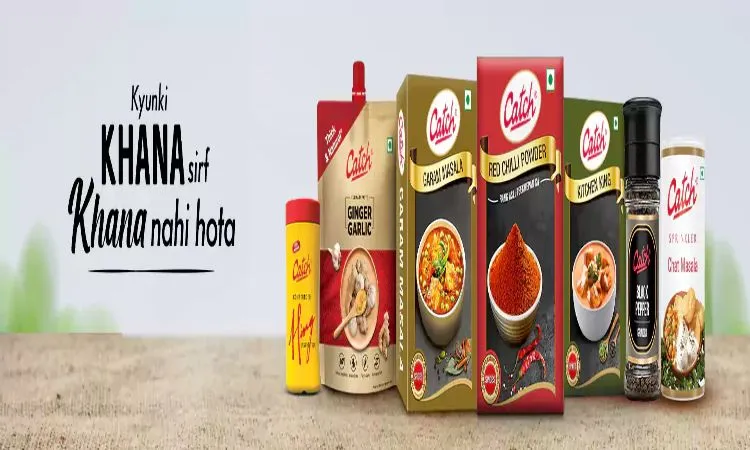
This distinct requirement is precisely where specialized finishing blends like catch chat masala become highly relevant in everyday cooking, as the category of tangy finishing spices remains fundamentally distinct from the robust blends used during the primary cooking process. DS Group’s Catch Spices range, which has been in the Indian market since 1991, offers both cooking blends and table-top seasonings, recognising that these two categories serve different purposes and require different formulations.
The reason a dish from a street stall tastes different from the home version is often not the main spice blend but the finishing powder added at the end. The same plate of fruit chat or papri chat gets its characteristic flavour from that final dusting of chat masala, and skipping it or substituting with a regular spice blend produces a noticeably different result.
The Spice Blends That Are More Regional Than They Appear
Rajma masala, chole masala, and pav bhaji masala are all examples of dish-specific blends that have become standard on supermarket shelves, even though they originated as regional recipes. Each one is calibrated for the flavour profile of a particular dish, and using them interchangeably tends to produce results that are off in some hard-to-identify way. Chole masala, for instance, carries a slight sourness from dried pomegranate seeds and anardana, which makes sense in a chickpea curry but would be odd in a mild paneer dish.
The broader point is that masala powders are not general-purpose seasonings that can be swapped in and out freely. They each carry a logic based on the dish they were designed for, and keeping that in mind while cooking makes a genuine difference to the outcome. Starting with the right blend and understanding when to add it is a more reliable path to a well-made dish than adjusting heat levels or adding extra salt at the end.